In recent years, the commercial real estate industry has undergone a transformative shift. Sustainability, once considered a niche concern, has moved to the forefront, reshaping how properties are designed, built, and managed. This “Green Revolution” is not just about environmental stewardship; it’s also a powerful driver of property values and investment returns.
Subscribe
Commercial Properties
The Green Revolution in Commercial Real Estate: How Sustainability is Driving Property Values

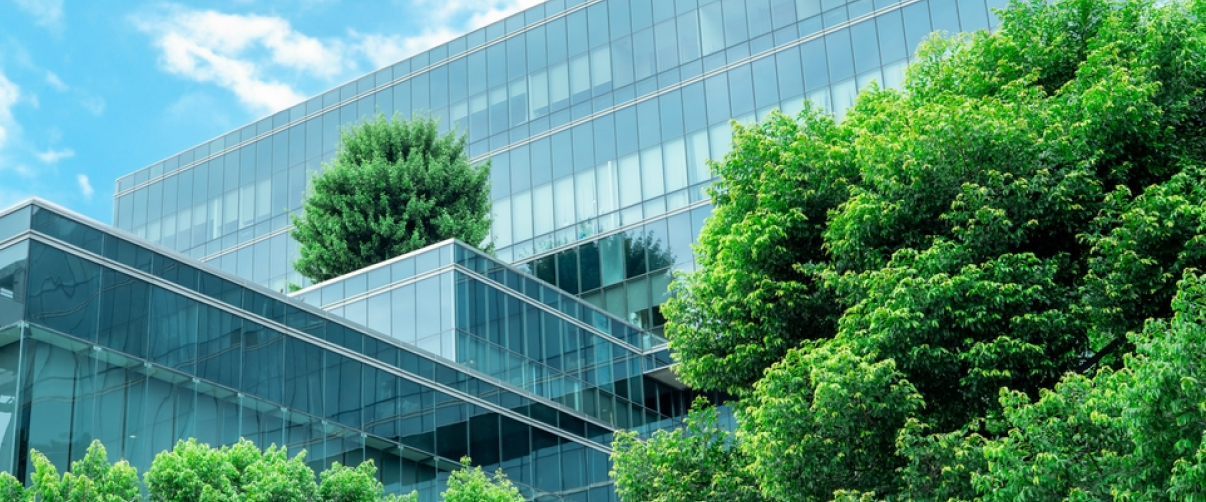
Image: @shutterstock 2329316137
The Rising Tide of Sustainability in Real Estate
Climate change and environmental degradation have propelled sustainability to the top of global agendas. The real estate sector, responsible for nearly 40% of global energy-related greenhouse gas emissions, is a critical battleground in the fight against climate change. As a result, the industry is embracing sustainable practices to mitigate environmental impact and unlock new value through sustainability.
Investors and tenants alike are increasingly looking for properties that not only meet their functional needs but also align with their environmental values. This shift in demand is catalyzing developers and property owners to integrate eco-friendly features into their projects, recognizing that sustainability is reshaping the industry.
Drivers Behind the Green Revolution
Regulatory Pressures and ESG Criteria
Governments and regulatory bodies worldwide are implementing stricter environmental policies. For instance, the European Union’s Taxonomy Regulation requires property developers to align with stringent sustainability definitions, compelling them to disclose their environmental compliance. This regulatory environment is pushing the industry towards greener practices to avoid penalties and remain competitive.
Environmental, Social, and Governance (ESG) criteria have become essential benchmarks for investors. Institutional investors are channeling funds towards properties with high ESG scores, influencing acquisition strategies and project developments. Properties that prioritize environmental responsibility and resource efficiency are increasingly favored in portfolios.
Market Demand and Investor Expectations
The market is witnessing a surge in demand for sustainable buildings. Tenants are seeking spaces that not only support their business activities but also contribute to their well-being and align with their values. Sustainable buildings often command higher rental rates and occupancy levels, reflecting their desirability in the market.
Investors recognize that sustainable real estate offers significant long-term benefits, including increased property values and lower operational costs. As a result, they are prioritizing investments in properties that demonstrate strong sustainability credentials.
Implementing Sustainability in Commercial Real Estate
Energy Efficiency and Resource Management
Leading companies like Jones Lang LaSalle (JLL) are at the forefront of integrating sustainability into real estate. JLL focuses on energy efficiency, employing advanced technologies to reduce energy consumption and carbon footprints of buildings. By optimizing resource use, such as water and construction materials, they minimize waste and support the circular economy.
Technological Innovations
The advent of Property Technology (PropTech) is revolutionizing the industry. Smart building management systems powered by the Internet of Things (IoT) and data analytics are enabling real-time monitoring and control of building operations. These technologies help in optimizing energy usage and enhancing occupant comfort.
For example, IoT sensors and AI-driven systems can adjust lighting, heating, and cooling based on occupancy and weather conditions, leading to significant energy savings.
Occupant Well-being
Sustainability goes beyond environmental impact—it also encompasses the health and well-being of occupants. Companies are designing spaces that enhance productivity and health, including green work areas and healthy communal environments. Such features not only attract tenants but also contribute to a property’s value.
Benefits of Sustainable Commercial Properties
Higher Property Values and Marketability
Sustainable properties often have higher market values, selling or renting at premiums compared to conventional buildings. The integration of eco-friendly features and certifications like LEED or BREEAM provide measurable value that resonates with investors and tenants.
Operational Cost Savings
Energy-efficient buildings result in reduced utility bills due to lower energy and water consumption. Over time, these savings can offset the initial investment in sustainable technologies and materials.
Compliance and Avoidance of Penalties
As governments enforce stricter environmental regulations, non-compliant properties may face fines or decreased marketability. Sustainable buildings are better positioned to comply with emerging regulations, safeguarding owners against potential penalties.
Enhanced Corporate Reputation
Businesses occupying or investing in green buildings can bolster their reputation by demonstrating a commitment to sustainability. This can lead to stronger brand loyalty and attract eco-conscious tenants and investors.
Real-World Examples of Sustainable Commercial Developments
The Edge, Amsterdam
Known as one of the greenest buildings in the world, The Edge utilizes smart technology to operate as a net-zero energy building. It features solar panels, energy-efficient systems, and intelligent design to maximize sustainability.
One Bryant Park, New York City
This skyscraper holds a LEED Platinum certification and incorporates green technologies such as a cogeneration plant and rainwater recycling systems. It exemplifies how sustainable design can be achieved in high-density urban environments.
Overcoming Challenges and Looking Ahead
While the benefits of sustainable commercial real estate are clear, challenges such as higher initial costs and regulatory complexity remain. However, companies are finding that the long-term advantages far outweigh the obstacles. Adopting sustainable practices is not just environmentally responsible but also economically prudent.
The industry is moving towards a future where sustainability is integral to property development and management. As sustainability is not just a buzzword for the CRE industry, it represents a fundamental shift in values and operations.
Conclusion
The Green Revolution in commercial real estate is redefining the industry landscape. Sustainability is no longer optional; it’s a critical driver of property values, investment decisions, and competitive advantage. By embracing sustainable practices, the commercial real estate sector is poised to deliver not only financial returns but also significant environmental and social benefits.
As we look to the future, the integration of sustainability in commercial real estate will continue to reshape the industry, creating spaces that are efficient, healthy, and resilient. This transformation represents a unique opportunity for stakeholders to invest in properties that contribute positively to the planet while reaping economic rewards.