As wildfires ravage Los Angeles, local wildlife face unprecedented threats, fleeing flames and losing their habitats. The struggles of these animals highlight the need for a comprehensive recovery approach that includes both humans and the natural ecosystems they share.
Subscribe
Analysis and Opinions
Breaking News
Wildlife Protection
What Do the Los Angeles Fires Mean for Local Wildlife?

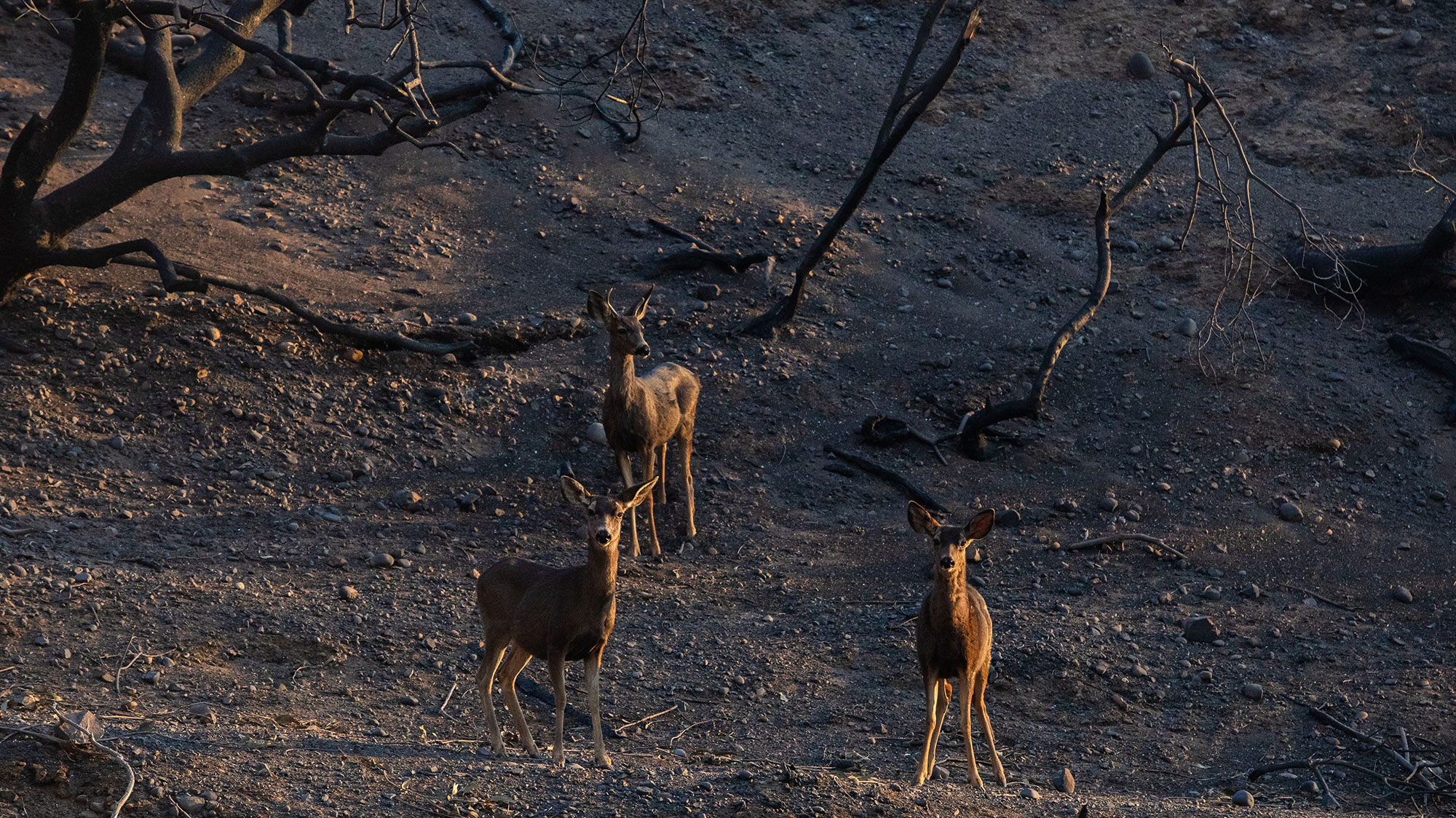
Photo by Mother Jones
Key Takeaways:
- Wildfires are displacing local wildlife in Los Angeles, forcing animals into unfamiliar and dangerous territories.
- Species such as bobcats, cougars, coyotes, birds, and bats are affected, with vulnerable groups including slow-moving creatures and animals with young.
- Wildlife face compounding threats beyond the fires, including habitat loss and increased predation.
- Human-wildlife interactions are likely to increase, and residents can help by being vigilant and contacting professionals.
- The recovery process should include consideration for wildlife and habitats to restore ecosystems alongside human structures.
Wildlife on the Run: How the Los Angeles Fires Impact Local Animals
As the flames of the Los Angeles wildfires continue to consume vast areas of the city, it’s not just people who are fleeing for their lives. Local wildlife, from majestic mountain lions to tiny salamanders, are being displaced, facing threats that extend far beyond the immediate danger of the fires.
The Immediate Threats to Wildlife
Footage captured by NBC LA showed a fawn with singed fur darting down a deserted street in Altadena, a stark symbol of the crisis unfolding. On the same harrowing night, ABC 7 camera crews spotted a mountain lion and her two cubs sprinting across Topanga Canyon Boulevard, escaping the relentless advance of the Palisades Fire.
“The fires have killed at least 24 people and damaged or destroyed more than 13,000 structures throughout greater Los Angeles,” notes Miguel Ordeñana, a wildlife biologist and environmental educator at the Natural History Museum of Los Angeles County. “But people aren’t the only ones affected. Animals are suffering, too.”
Compounding Long-Term Impacts
While burns and smoke inhalation are immediate concerns, Ordeñana emphasizes that the fires’ effects on wildlife are far-reaching. “It’s this domino effect that people don’t think about,” he explains. “You might not see the immediate effects right now, but you might see it within a few months or years.”
Territorial animals like bobcats and cougars face daunting challenges. Forced from their established territories, they venture into unfamiliar areas teeming with unknown dangers and competitors. “If you’re a bobcat with kits, you might go to a coyote hotspot, and that’s where the coyotes are waiting to pounce,” Ordeñana says. “That’s why you didn’t choose that territory in the first place.”
Unique Challenges for Urban Wildlife
The fires’ encroachment into urban spaces creates unique problems for species accustomed to cohabitating with humans. Bats, for instance, already have limited roosting options and often rely on freeway underpasses and building roofs. “If those places are getting burned and aren’t safe anymore, then it’s going to be really tough for them to survive,” Ordeñana notes. “Yes, they can fly, but fly where?”
Slow-moving creatures like snails and salamanders, nocturnal animals forced into daylight, and wildlife with young are particularly vulnerable. “I think a lot of people don’t think about our neighborhoods as ecosystems and habitats, but here, they really are,” he adds.
How Residents Can Help
With wildlife venturing into residential areas, human-wildlife interactions are set to increase. Ordeñana advises residents to stay vigilant and exercise tolerance. “If you see animals in distress in places that you don’t normally see them, you hopefully have a little bit more tolerance,” he suggests. “That doesn’t mean you intervene specifically but call a professional, and hopefully they have the capacity.”
He also recommends that people know the contact information for local animal rehabilitators. Simple actions, like being aware of wildlife activity and providing space, can make a significant difference.
Incorporating Wildlife in Recovery Efforts
As Los Angeles looks toward recovery, Ordeñana urges that efforts include restoring wildlife habitats alongside human structures. “Recovery is the next step,” he says. “Part of bringing back L.A. is making sure that we’re also considering wildlife, nature, and habitat. Because if that doesn’t come back, and that’s not being supported, then L.A. is not going to be what it was.”
Many conservation efforts, including habitat restoration and the creation of wildlife corridors, have been undone by the fires. Rebuilding these initiatives is crucial for the sustainability of local ecosystems.
A Call to Action
The Natural History Museum’s community science team is encouraging Angelenos to document how wildlife is responding to the wildfires. Residents can contribute by submitting observations, helping scientists track the impacts and recovery of local species.
By acknowledging the plight of wildlife and taking proactive steps, Los Angeles can work toward a future where both humans and animals thrive. The intertwined fate of all city inhabitants underscores the importance of a recovery that embraces the full spectrum of life in the region.
For more information on how to assist and to participate in the documentation project, please visit the Natural History Museum of Los Angeles County’s website.