Medicare’s “6-hour rule” may surprise even the most seasoned travelers, offering far less coverage than many retirees expect once they set sail. Before stepping aboard, seniors should understand how Original Medicare’s limits apply when the open seas call.
Subscribe
Coverage FAQs
Health Insurance
Plans and Options
Cruising on Medicare: What the “6-Hour Rule” Really Means (7-11-2026)

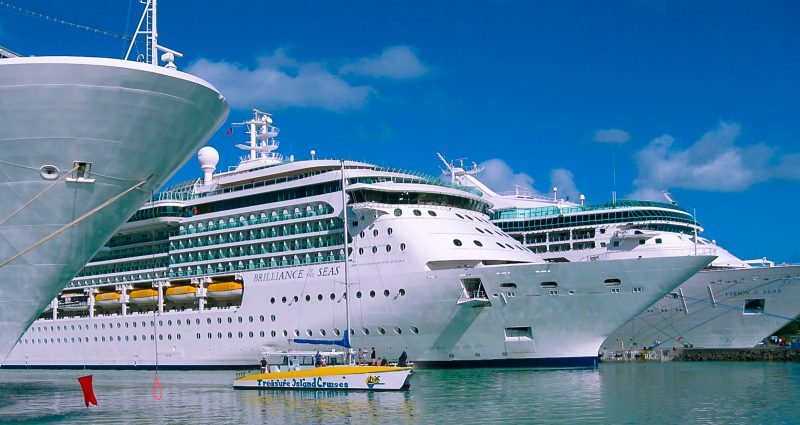
Photo by Royal Examiner
Key Takeaways:
- Medicare’s 6-hour rule restricts coverage for seniors on cruise ships to ports or areas within six hours of a U.S. port.
- Only medically necessary care under Original Medicare is covered, resulting in potential gaps once far from U.S. waters.
- Many retirees find the rule misleading because it sounds more generous than it is.
- Understanding the details of coverage is vital for boarding a cruise with confidence.
- Advanced planning, including scrutinizing policy fine print, can help prevent costly surprises.
The Fine Print of Medicare on Cruise Ships
Booking a cruise and packing sunscreen often top the checklist for many retirees, but sorting out Medicare coverage should be just as important. According to the original source, “The rule surprises many retirees because it sounds far more generous than it actually is.” In other words, despite the friendly ring of Medicare’s “6-hour rule,” its restrictions can leave seniors without medical coverage in some unexpected scenarios.
What Exactly Is the 6-Hour Rule?
Medicare’s so-called 6-hour rule stipulates that your coverage for medically necessary care on a cruise ship only applies when the vessel is docked at, or within six hours of, a U.S. port. If you’re sailing on open waters well beyond that limit, Medicare won’t foot the bill for doctor visits aboard the ship. This regulation affects only Original Medicare beneficiaries, meaning those who rely solely on this standard federal insurance need to read the policy details carefully before leaving the dock.
Why the Rule Surprises Retirees
Many older travelers hear “coverage on a cruise” and assume that Medicare will handle most onboard emergency care. Unfortunately, as the article points out, the rule functions differently than expected. Although six hours may sound like a generous buffer, in practice, seas and itineraries often place travelers out of range faster than they realize. That can lead to uncovered costs for physician consultations and treatments at sea.
Tips for Senior Travelers
Seniors are encouraged to consider the following steps before embarking on a cruise:
• Check your itinerary to determine how much of your cruise time is spent beyond the six-hour mark from a U.S. port.
• Explore whether you have additional coverage or travel insurance options that fill Medicare’s gaps.
• Read the fine print on your Medicare documentation and ensure you understand what qualifies as “medically necessary care.”
Understanding these details helps ensure a smoother journey, leaving you to enjoy the ocean views without worrying that an unforeseen medical emergency might sail beyond the limits of your coverage.